Mohammad Omer Khalil: Common Ground
March 28 - May 31, 2026
Opening Reception: Saturday, March 28, 3-6PM
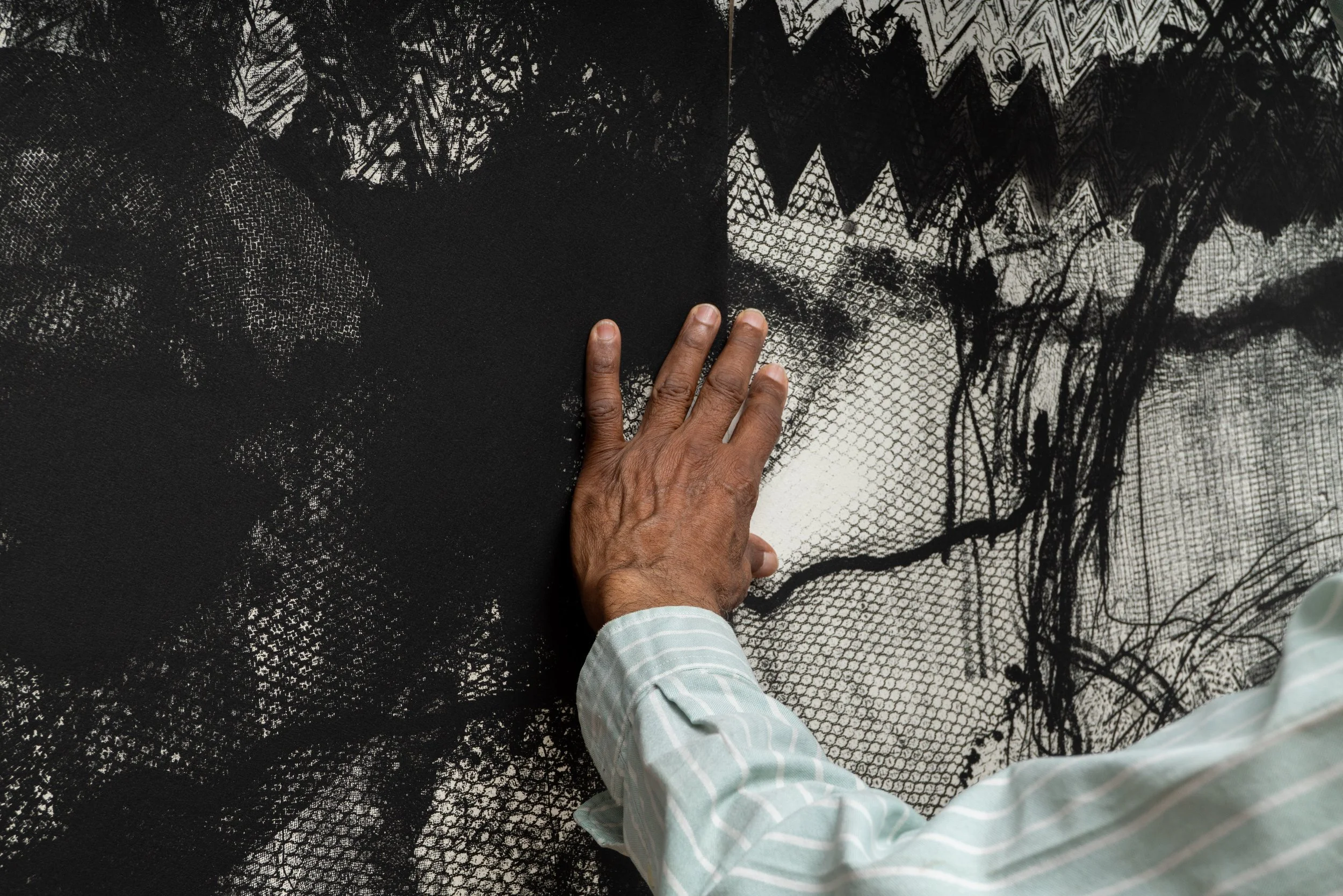
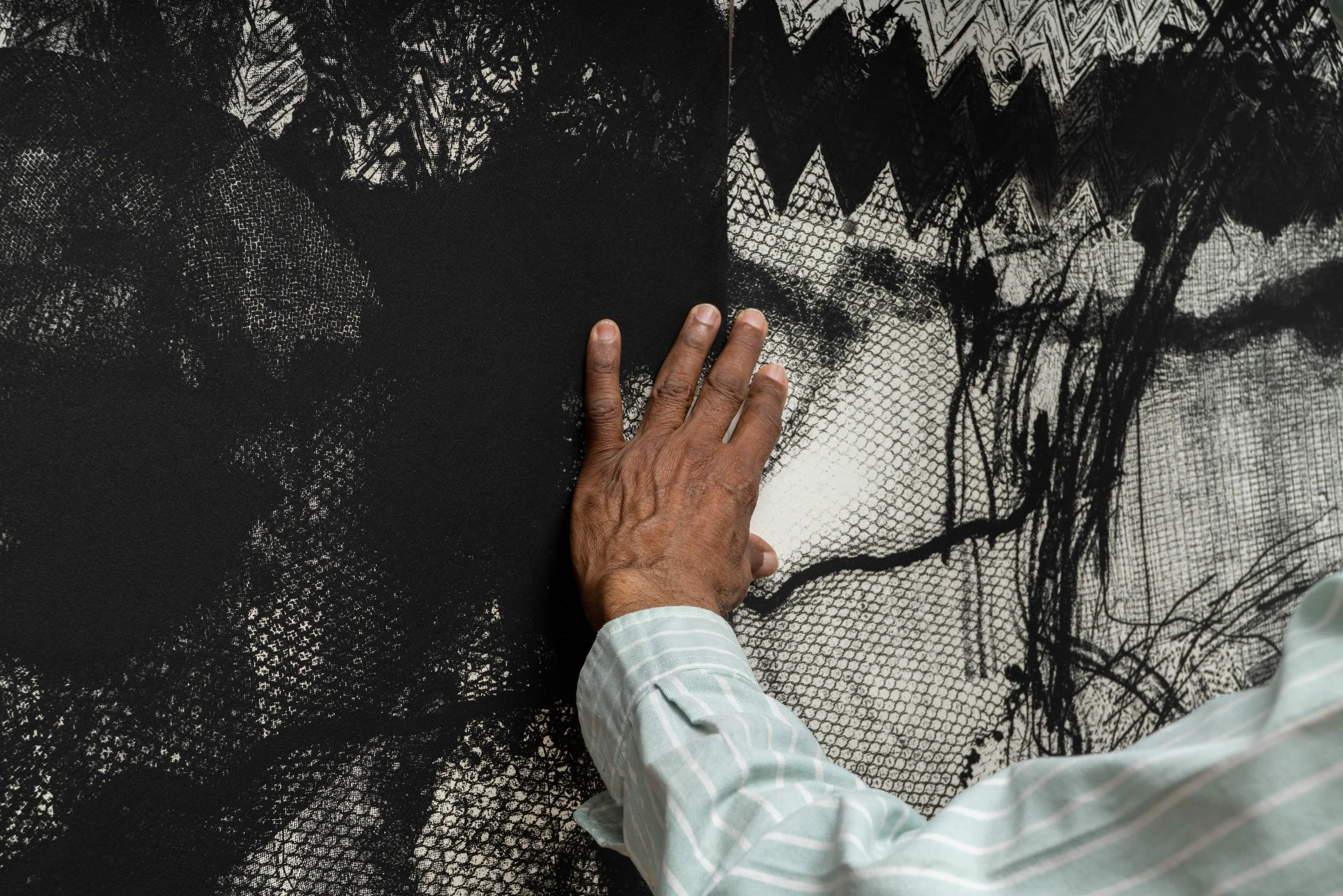
Mohammad Omer Khalil with his work Petra VIII (1994). Photo: Samoel González.
EXHIBITION SITES
Blackburn Study Center March 28 – May 31
Twelve Gates Arts April 3 - May 15
Arab American National Museum March 28 - May 31
Jay Seven Inc., Brooklyn March 28 - May 31
Maqām Studio, Brooklyn April 26
ON DISPLAY
New York Public Library: Rose Main Reading Room (May 16–31)
The Metropolitan Museum of Art: Islamic Art Wing, Gallery 450
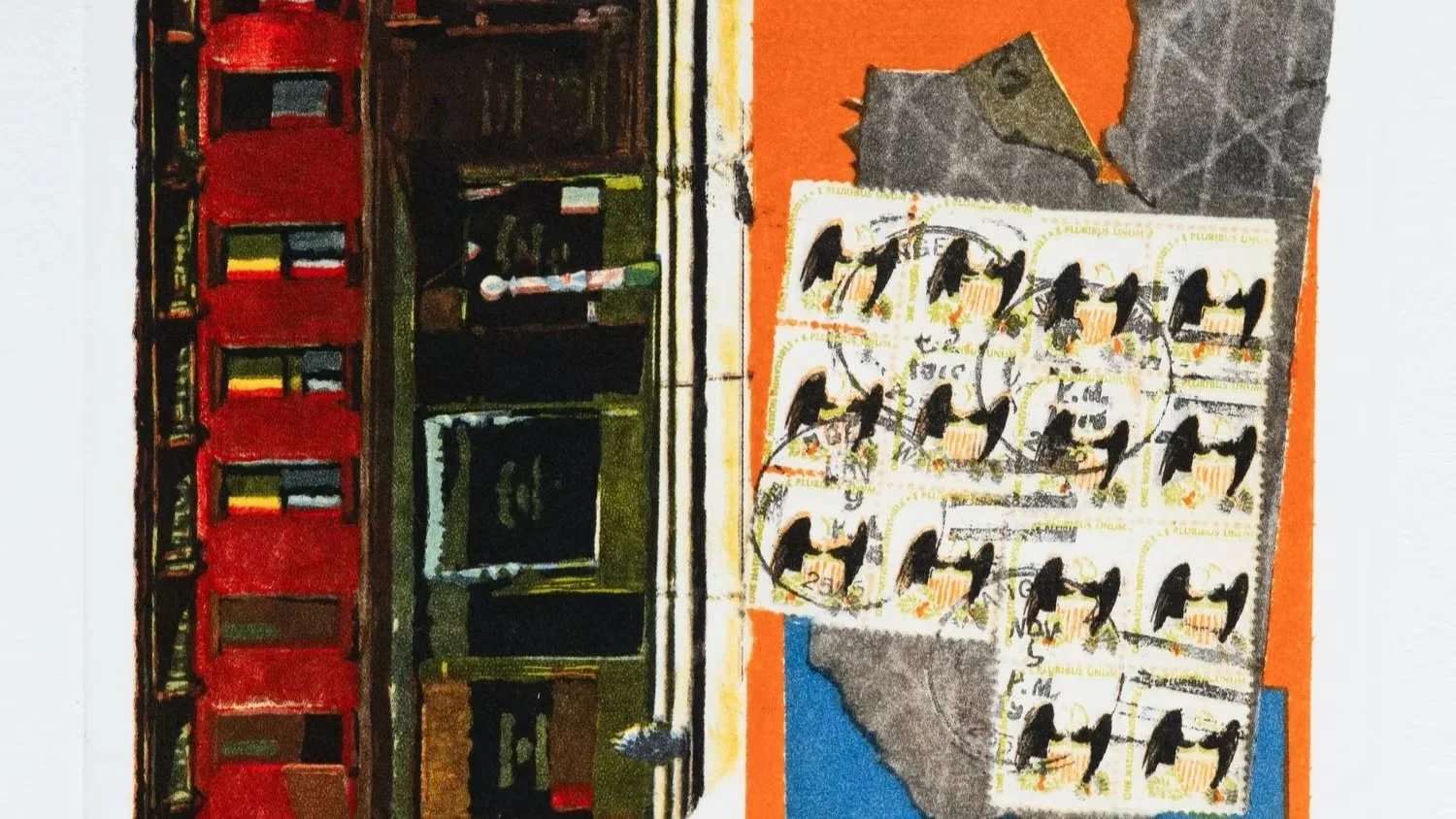
Over the next three years, the Robert Blackburn Printmaking Workshop will foreground its international connections through Global Impressions, a programming initiative that builds on Blackburn’s legacy of solidarity with artists from the Global South, showing how print has functioned as both cultural resistance and diasporic exchange. Mohammad Omer Khalil, Common Ground curated by Amina Ahmed and Jenna Hamed is the first iteration of the Global Impressions series to be held at the Blackburn Study Center, a space dedicated to the history and legacy of Robert Blackburn.
Programs at the Blackburn Study Center are made possible with major support from the Teiger Foundation. Mohammad Omer Khalil: Common Ground is also supported by The Jenni Crain Foundation, an initiative dedicated to preserving the legacy of the esteemed artist and curator.

CHECKLIST
PRE-ORDER Exhibition Catalogue Mohammad Omer Khalil: Common Ground
Blackburn Study Center
Robert Blackburn Printmaking Workshop
323 West 39th Street, New York, NY 10018
WED - SUN 12 - 7PM
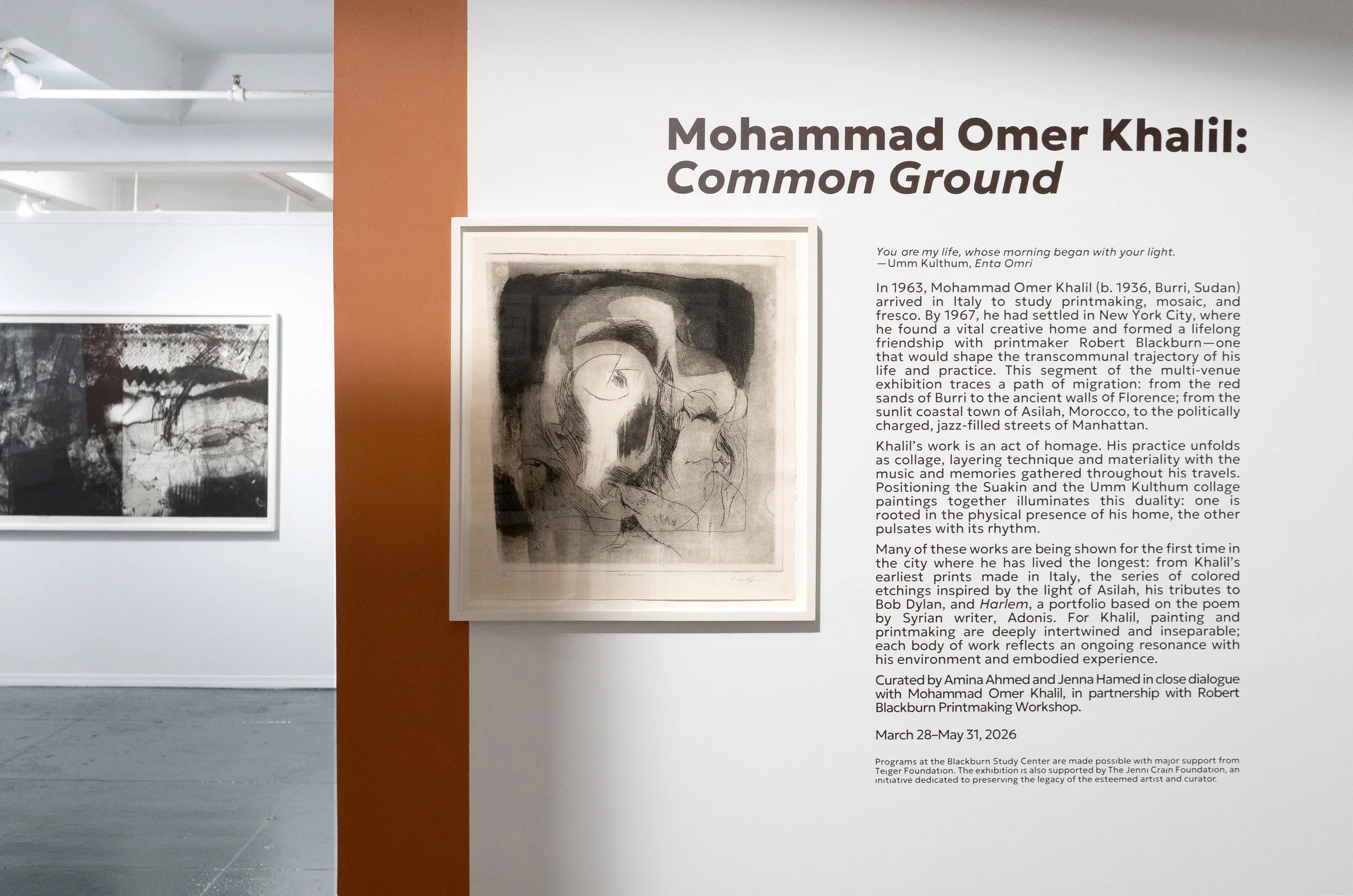
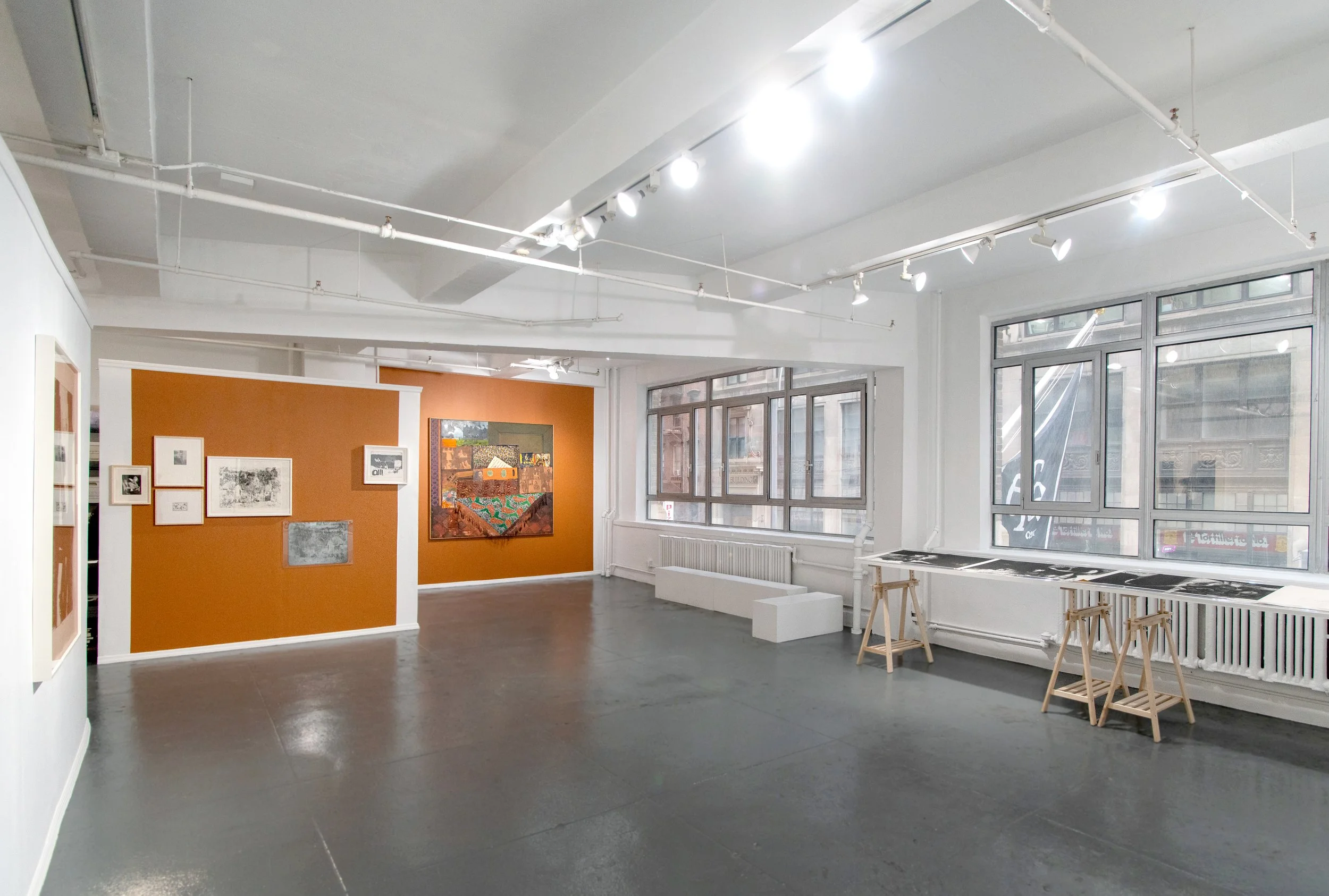
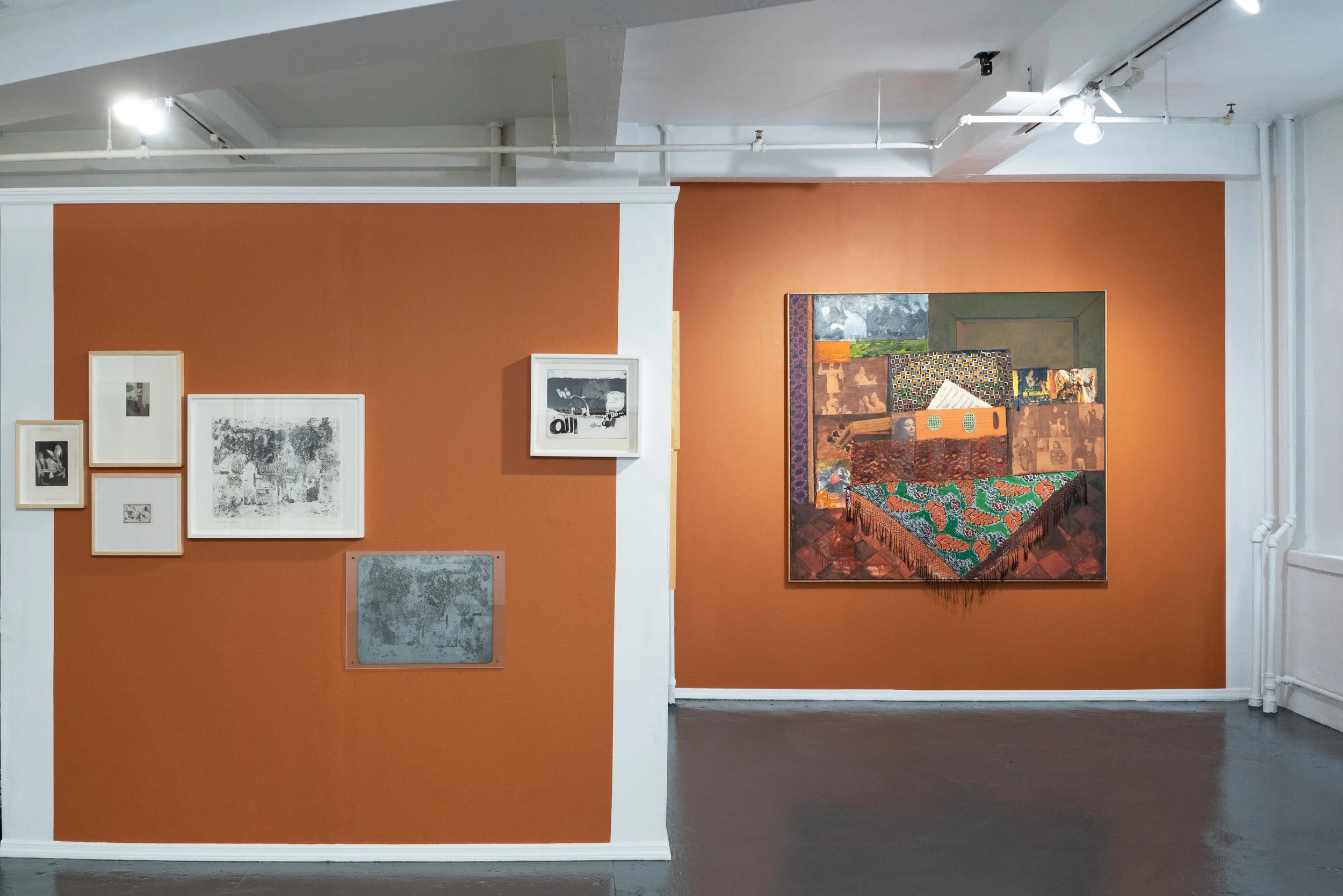
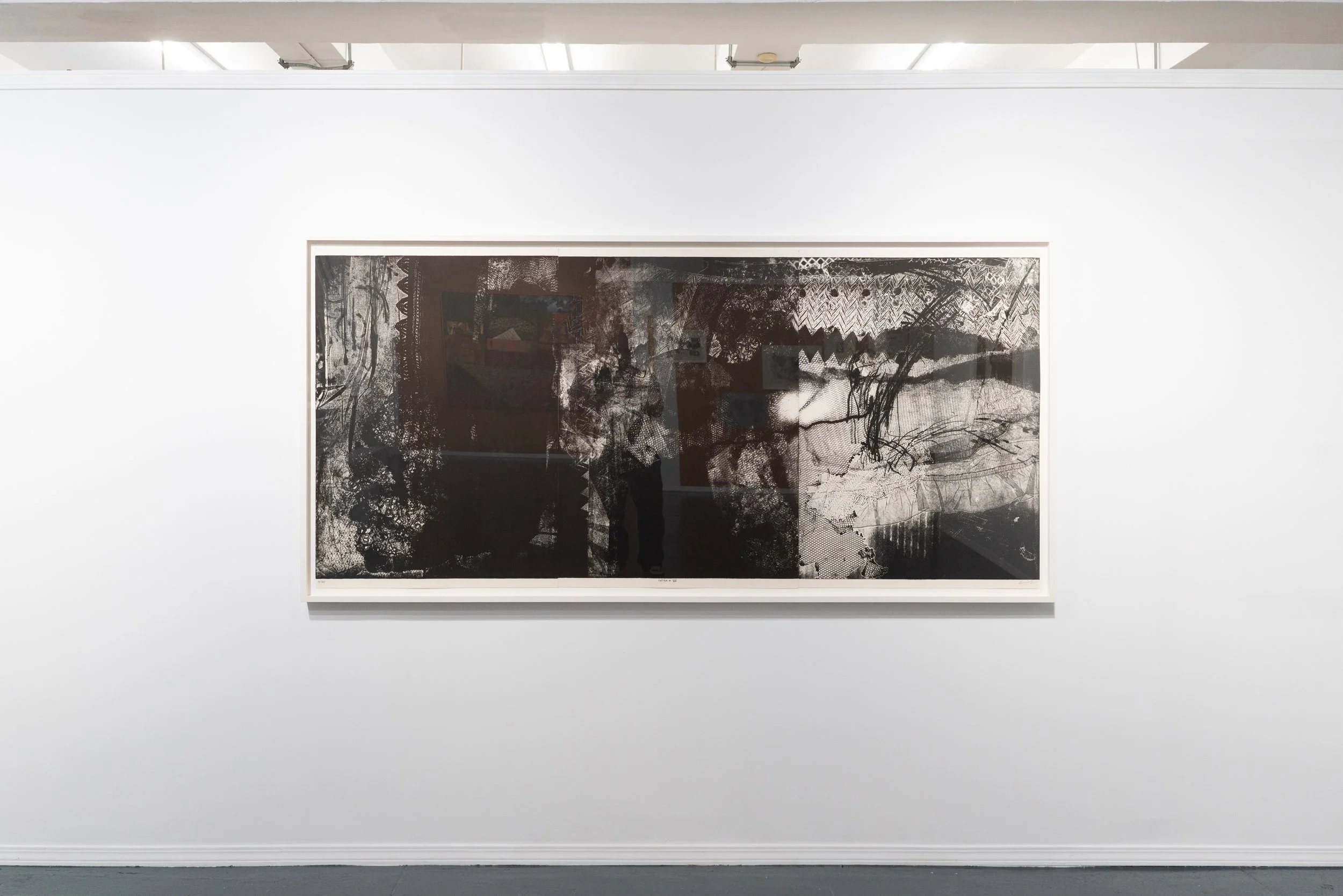
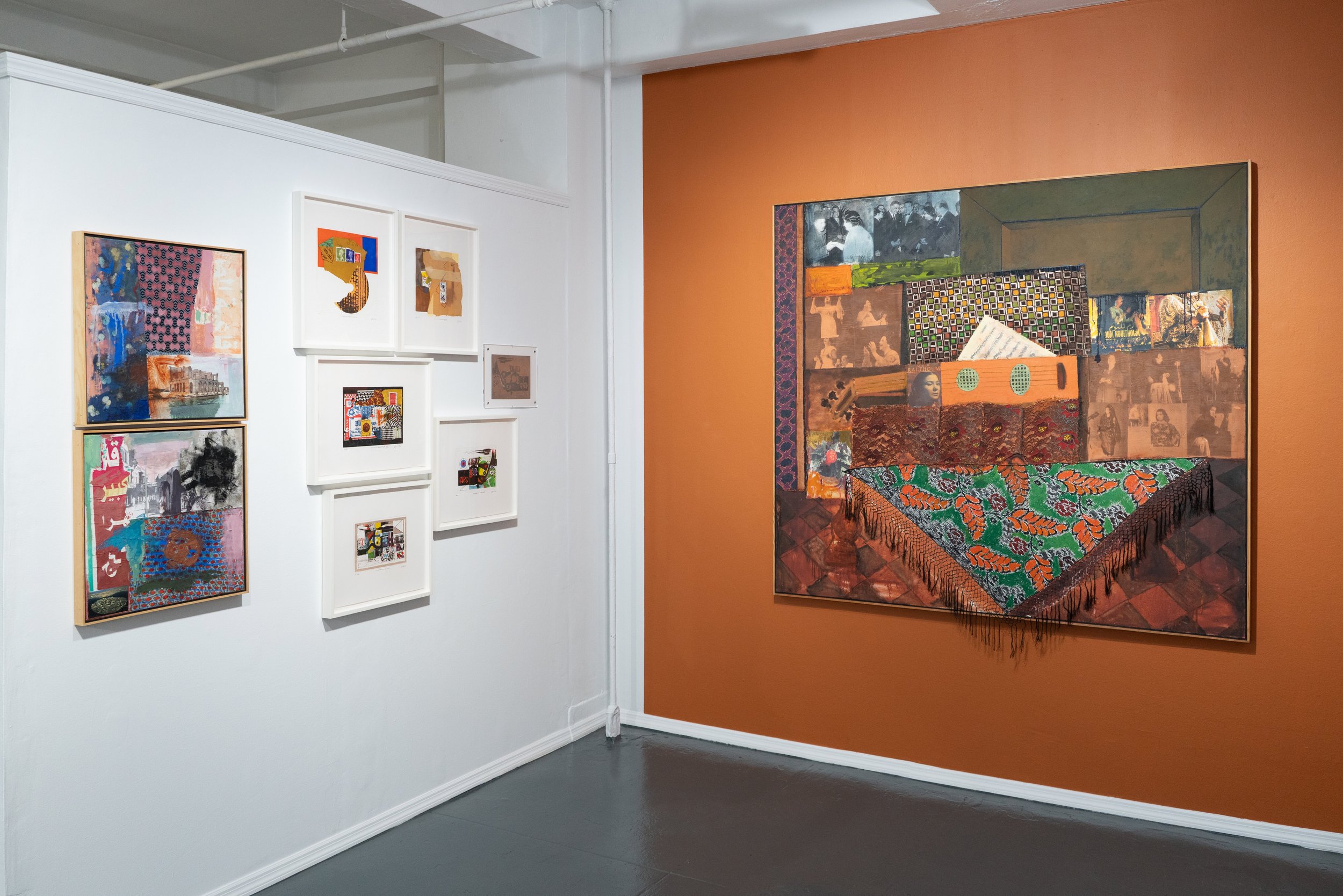
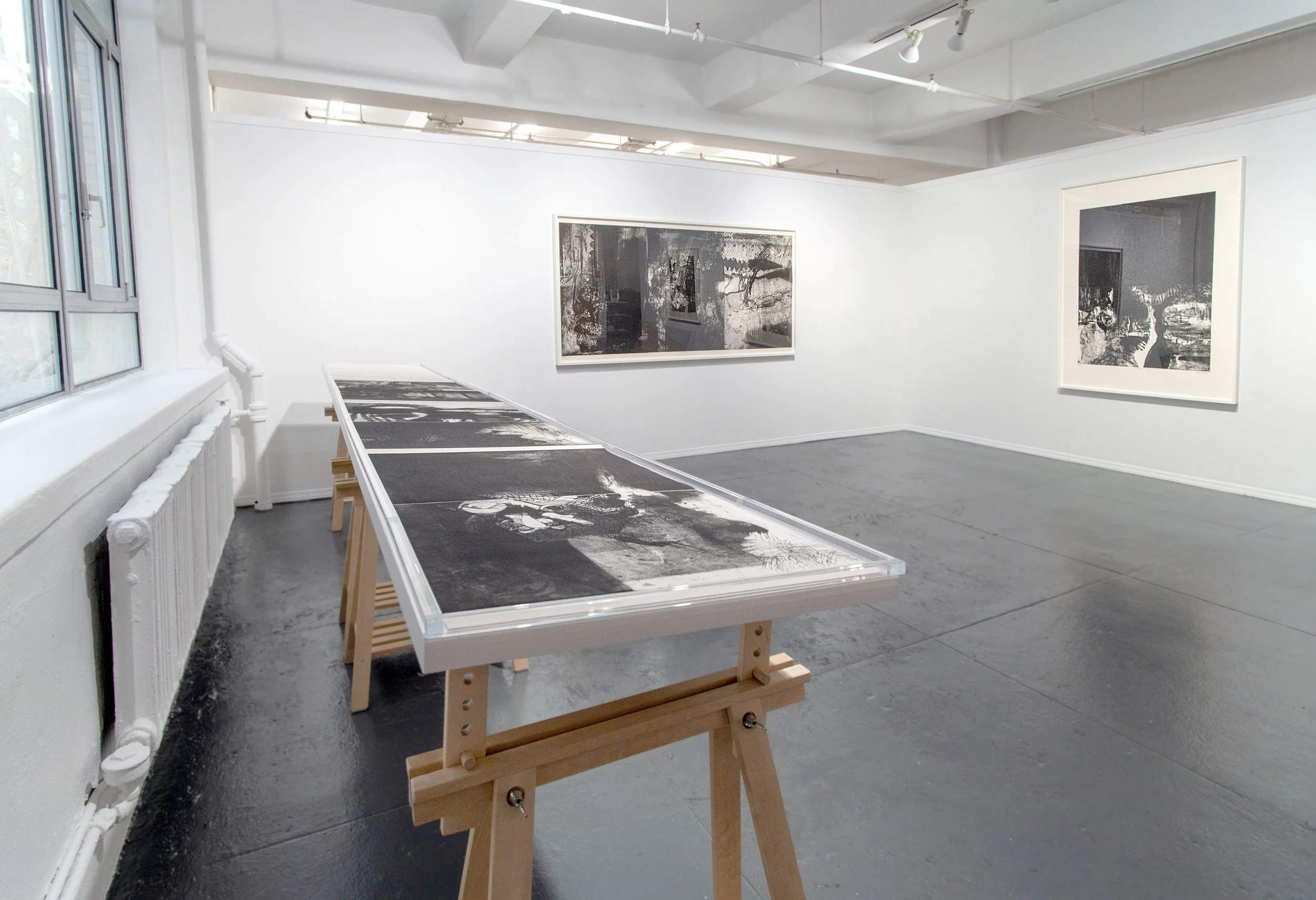
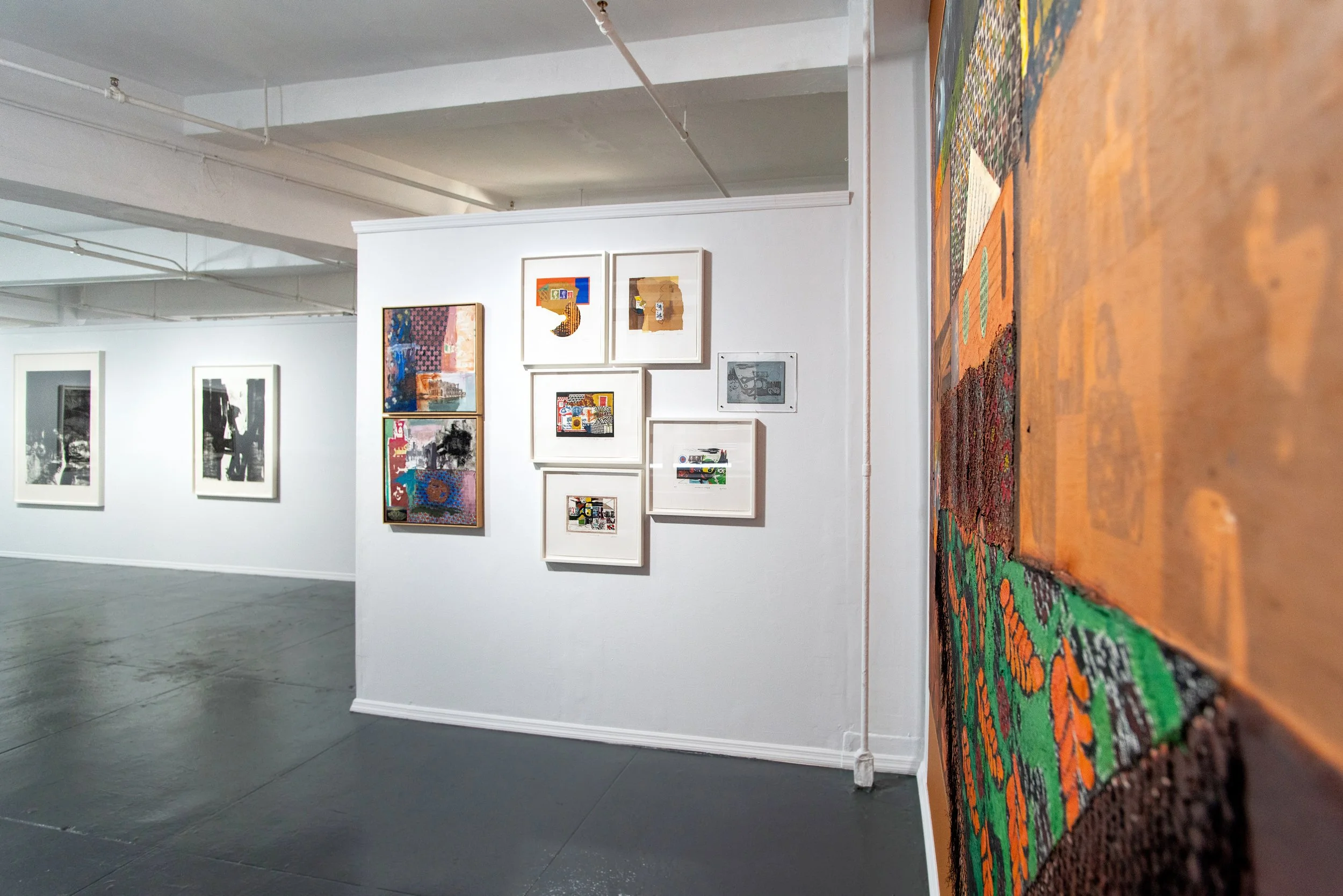
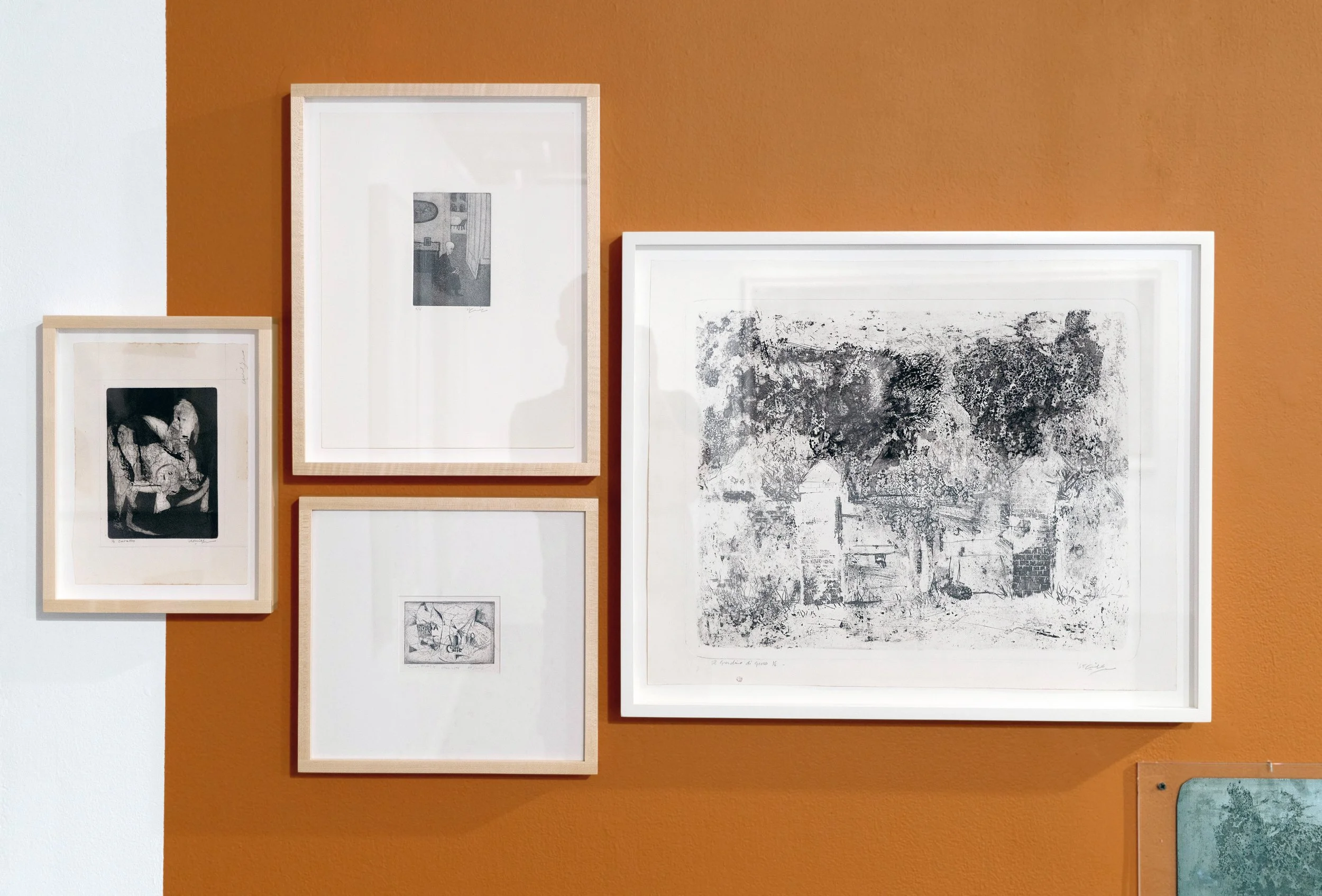
Photo: Samoel González.
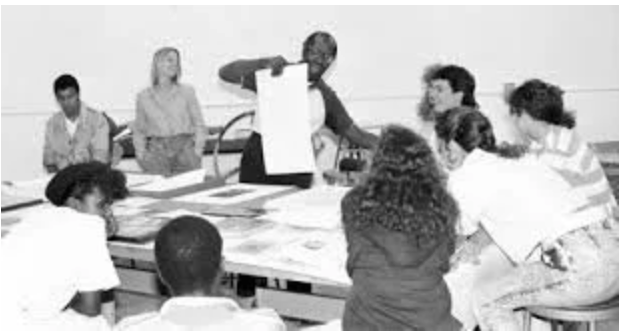
After Khalil’s arrival in New York in 1967, the Robert Blackburn Printmaking Workshop emerged as a crucial artistic home for him at a time when there were few spaces in the city where non-white artists could exhibit their work. Upon meeting Blackburn in 1969, he joined the workshop and entered a community grounded in collaborative printmaking, mentorship, and mutual support—a context that would inspire Khalil to form his own studio in 1970. It was also Blackburn who invited Khalil to the Asilah Cultural Moussem in Morocco in 1978, a burgeoning residency program committed, as Jenna Hamed writes, to “delink[ing] from elitist and inaccessible art programming organized for the privileged few in Western societies, and to assert a ‘common ground’ for ‘Third World’ artists, intellectuals, and poets to connect with their counterparts from the ‘other world.’” ¹
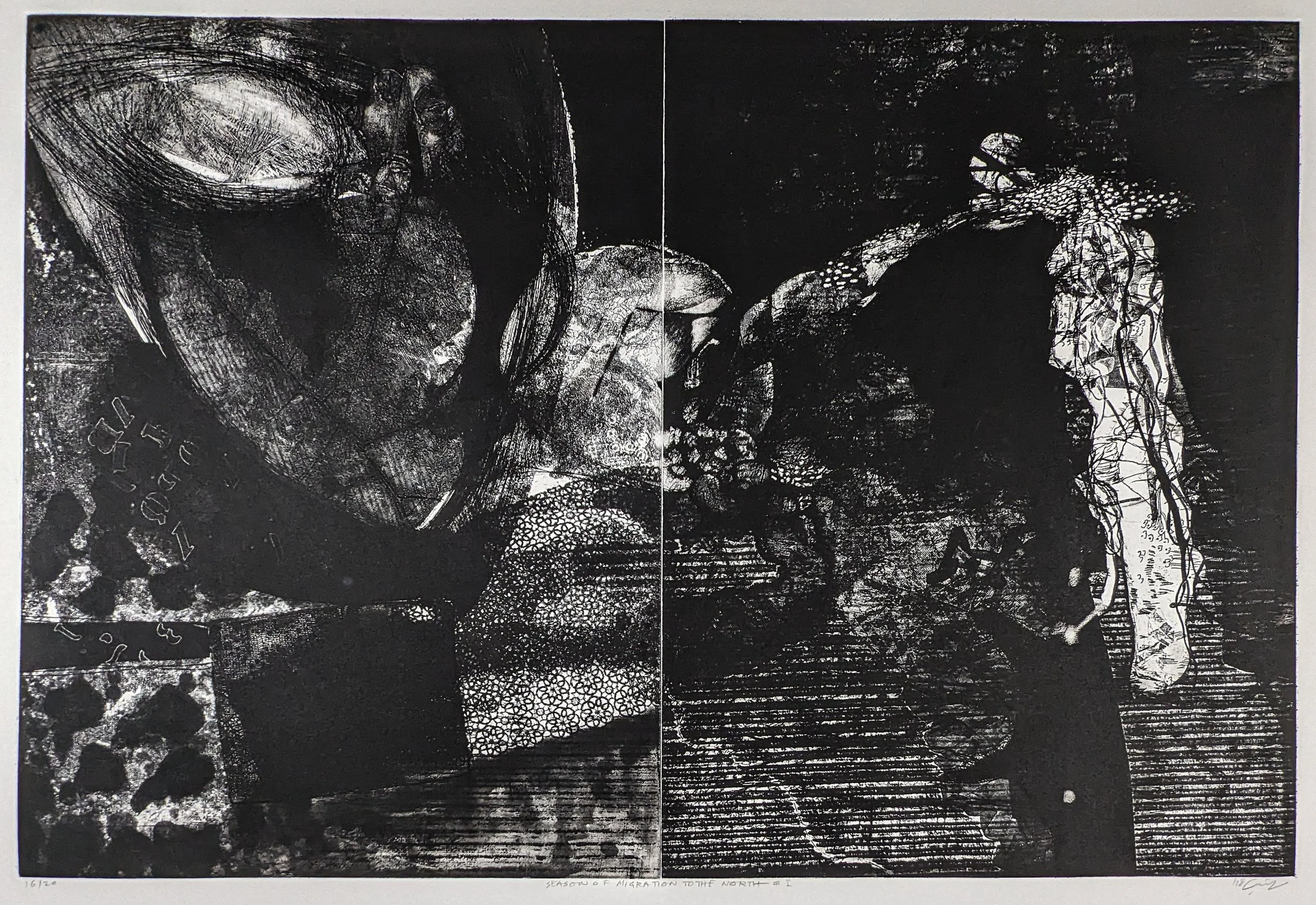
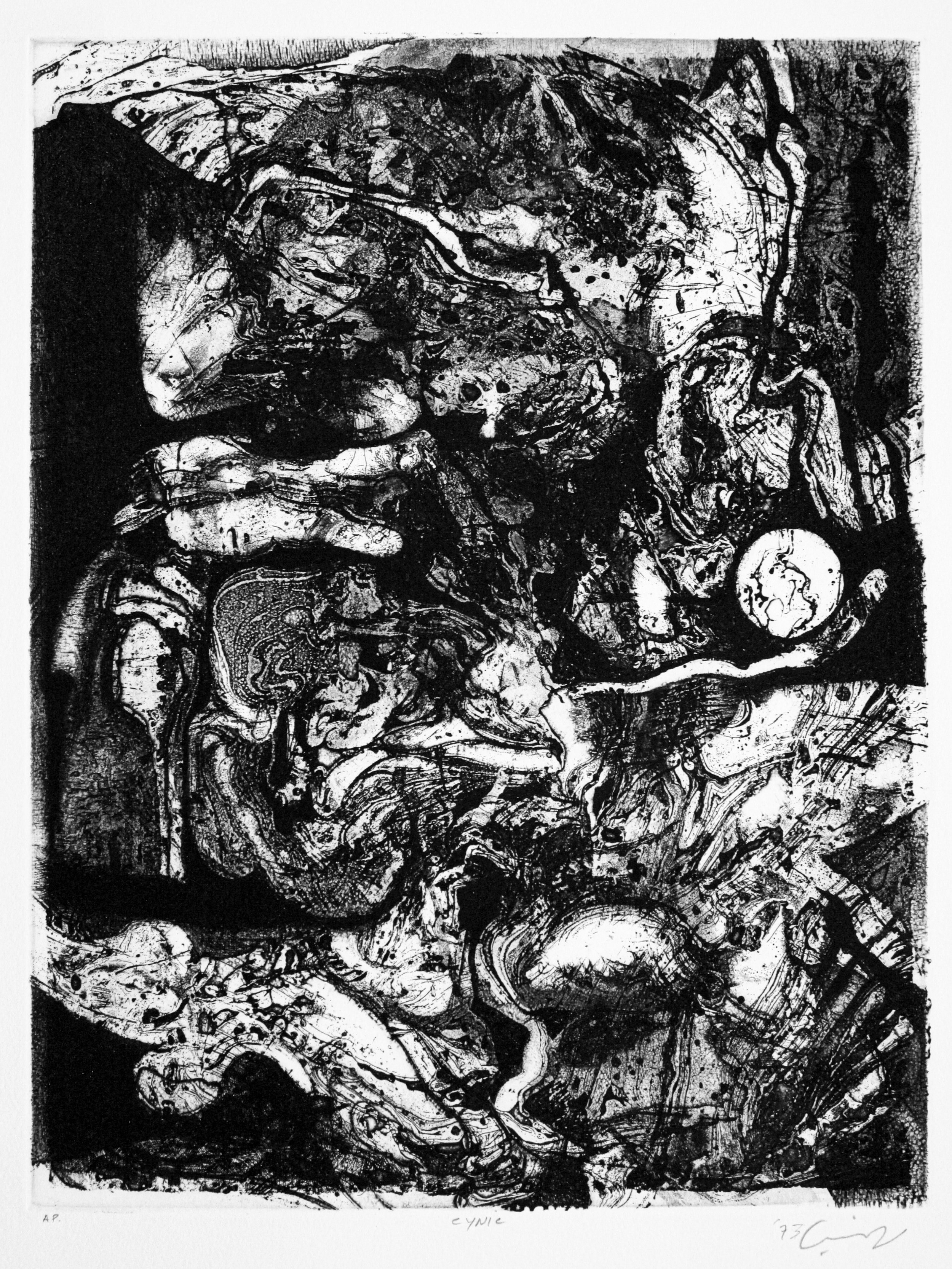
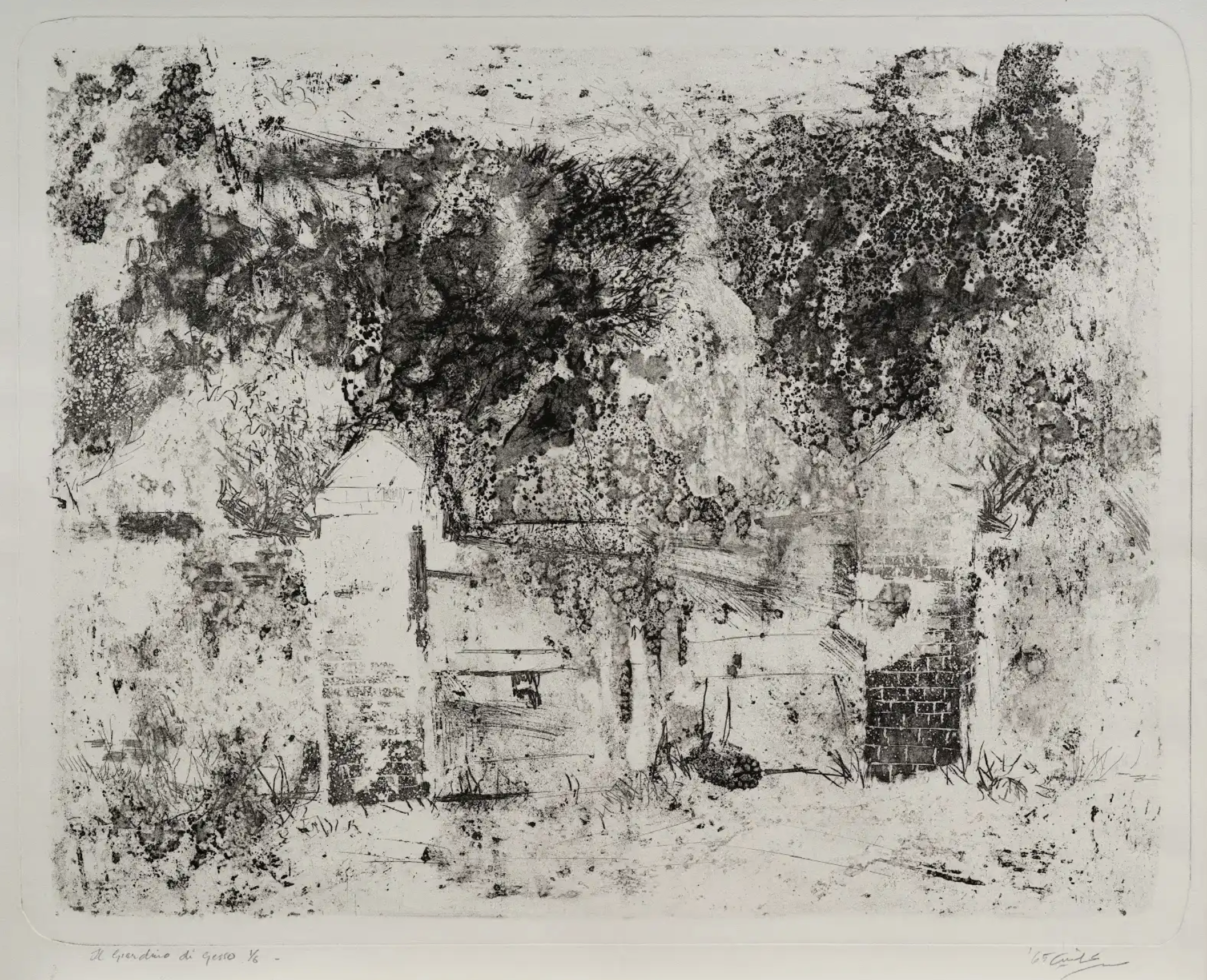
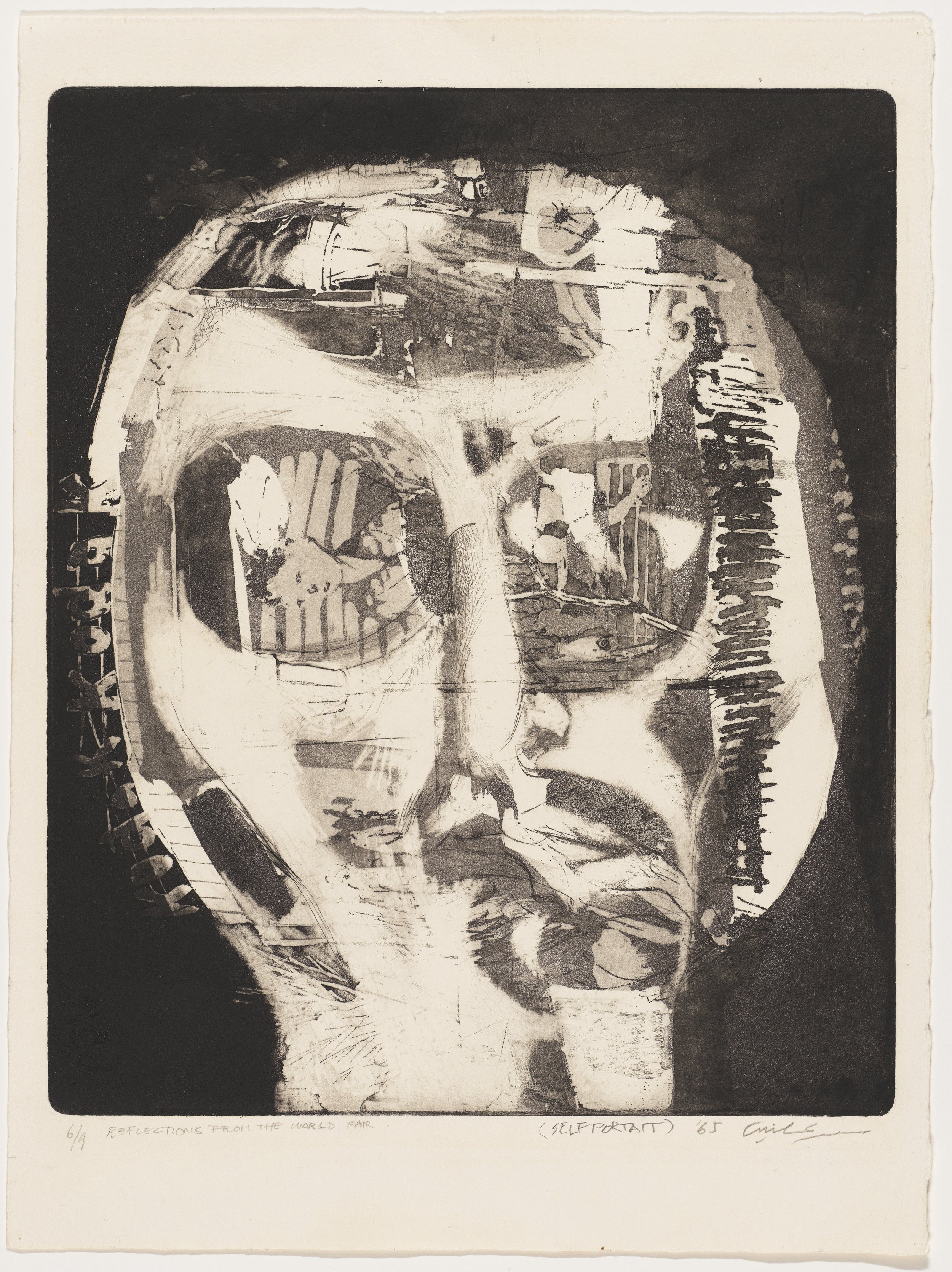
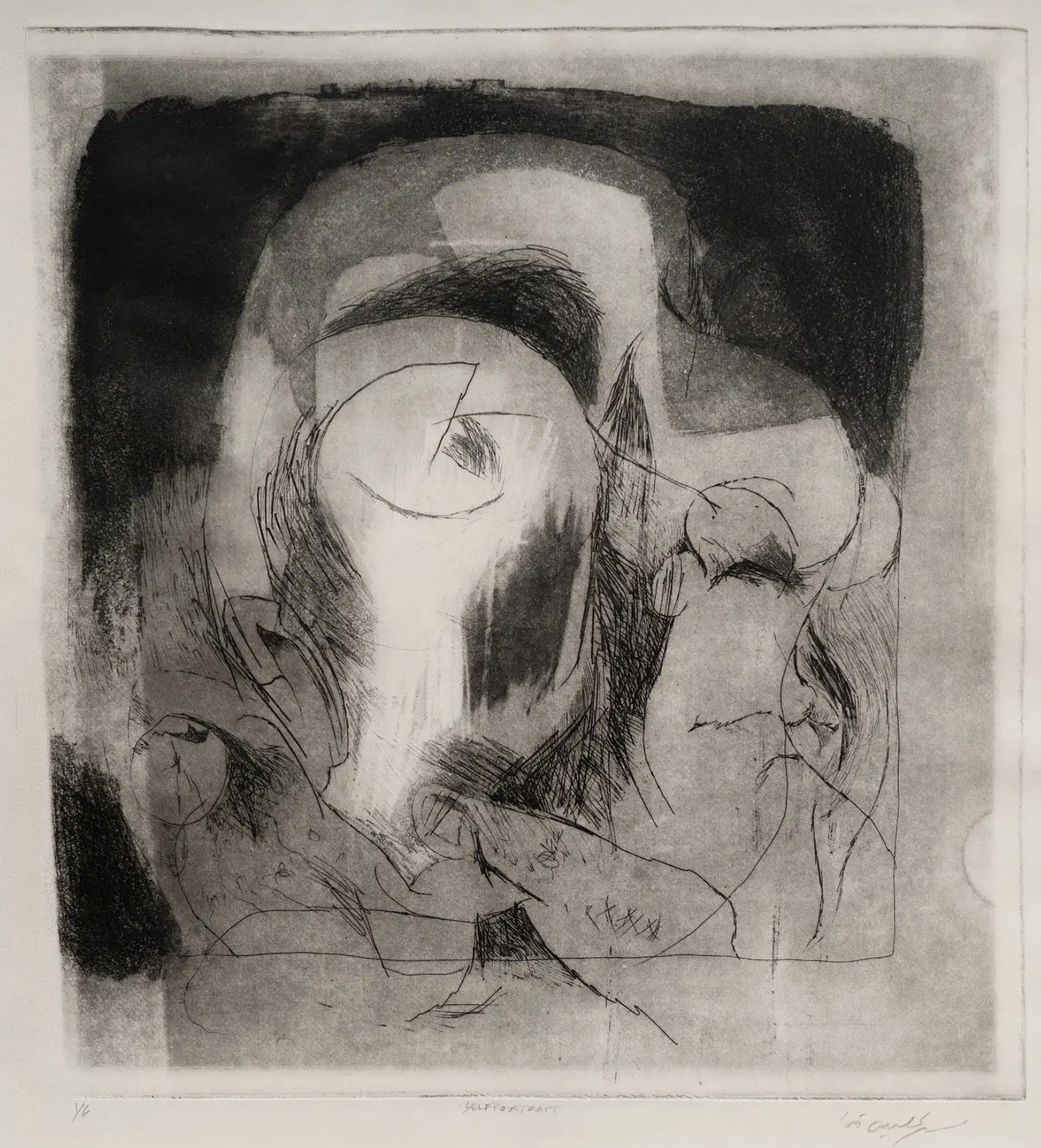
For the next fifty years, Khalil continued to live between Asilah and New York, running the printshop for nearly three decades and working with artists from across the globe, which reinforced his commitment to collaboration, pedagogy, and printmaking as a shared language. Common Ground takes its title from Khalil’s series of fifteen etchings produced between 1985 and 1995 that gather the light and color of the Moroccan coastal town of Asilah into dense, atmospheric abstractions. These works trace a passage through the formative sites and experiences that shape his art: the landscapes of Sudan that left an enduring imprint, the classical etching techniques he refined in Florence, the transnational camaraderie forged through Asilah, and New York, where he raised his family, built a life in art, and continues to work today.
Across these locations, Khalil has not only been a practicing artist but also an influential teacher and master printer—leading workshops in Asilah while, in New York, founding his own printmaking atelier and teaching between 1973 and 2012 at Pratt Institute, The New School, Columbia University, and New York University. From this studio, Khalil produced editions for canonical artists including John Wilson, Louise Nevelson, Mavis Pusey, Camille Billops, Emma Amos, Norman Lewis, Sean Scully, Romare Bearden, Jim Dine, among others, contributing significantly to the history of contemporary printmaking. Yet despite his profound impact as a collaborator, educator, and bridge between artistic communities in Africa, Europe, and the U.S., Khalil has not received commensurate mainstream recognition for his artistic contributions.
Common Ground unfolds across multiple venues to mirror the wide reach of his “transcommunal” practice, one that both descends from and extends a lineage of printmakers devoted to the possibilities of etching and to rendering the full vibrancy and tonal range of Blackness.
1. Hamed, Jenna. “Walking a Common Ground: Mohammad Omer Khalil in Asilah.” 2023.